Upgrade Your Fashion: The Ultimate Guide to Finding Professional Footwear for Men
Selecting the perfect formal shoes is vital for a man's wardrobe. Various styles, from Oxfords to monk straps, deliver unique benefits. Quality materials and an accurate fit play vital roles in both style and comfort. Recognizing how to match shoes with clothing can elevate one's overall look. Yet, most overlook the importance of maintenance and investment. Exploring these aspects can change an ordinary look into something remarkable. What factors truly make a difference in a man's style?
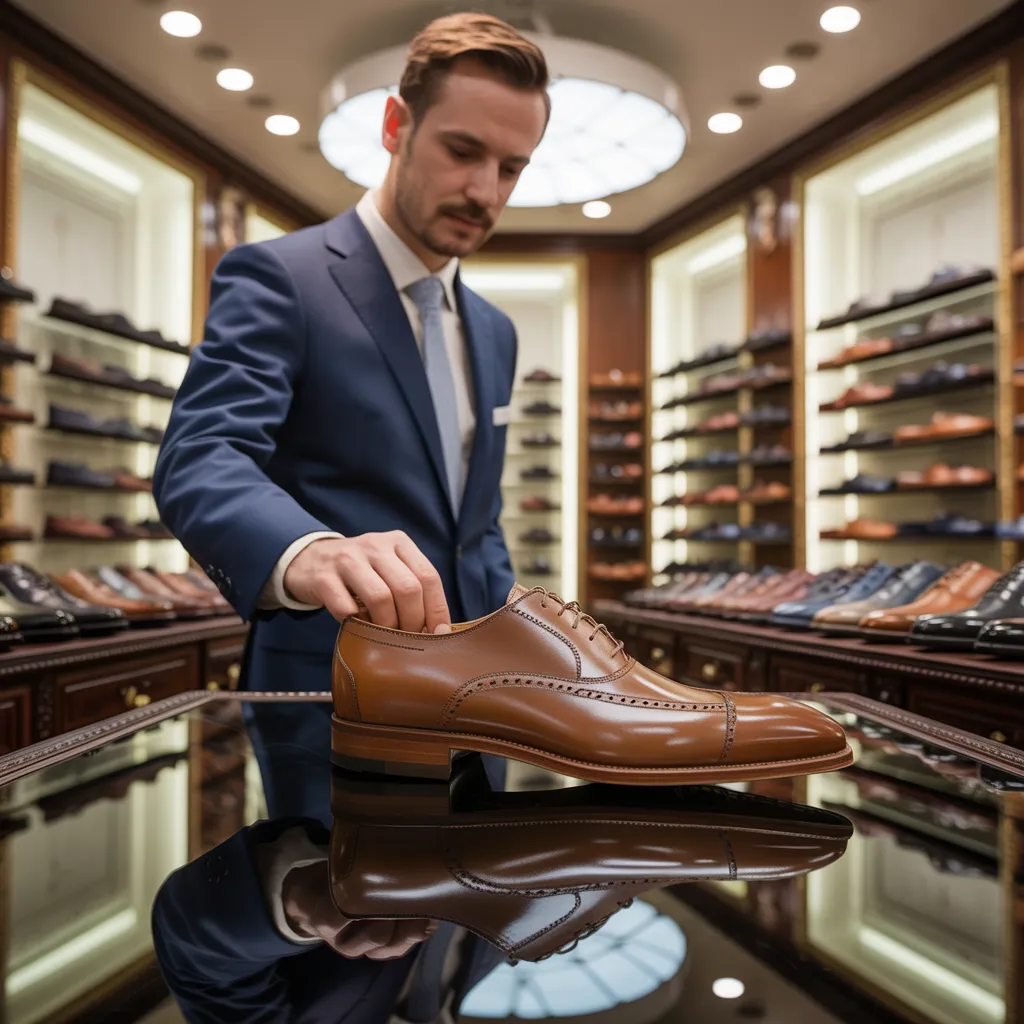
A Guide to Different Formal Shoe Styles
Formal footwear stands as a foundation of the male wardrobe, reflecting both elegance and refinement. Various styles cater to different occasions and personal preferences. Oxfords are characterized by their closed lacing system, offering a sleek appearance ideal for business and formal events. In contrast, Derby footwear incorporates an open lacing style, offering a more casual yet refined appearance appropriate for semi-formal occasions. Loafers, celebrated for their easy slip-on nature, combine ease with sophistication, making them suitable for both everyday and formal occasions.
Traditional brogues, known for their intricate perforated detailing, can add a touch of flair to an outfit, while monk strap shoes, incorporating a buckle closure rather than laces, present a unique alternative. Every style carries its own distinct advantages, allowing men to express individuality while adhering to dress codes. Understanding these different formal shoe styles remains key to making thoughtful selections that improve overall presentation and poise.
How to Choose the Right Fit for Your Formal Shoes
Finding the ideal fit for formal shoes is important for both comfort and style. This requires carefully determining your foot size, appreciating the importance of shoe width, and trying on multiple options to secure a perfect fit. Attention learn about this to these factors can substantially elevate the overall wearing experience.
Measuring Your Foot Size
How can one guarantee the perfect fit when picking out formal shoes? The first step involves accurately measuring foot size. This can be achieved by standing on a piece of paper, tracing the outline of the foot, and calculating the full length from heel to toe. It is recommended to measure both feet, as they may vary a little in size. Using a ruler, one can establish the length in centimeters or inches. Additionally, it is best to measure feet in the evening, as they naturally expand as the day progresses. This guarantees a more comfortable fit when trying on formal shoes. Finally, consulting a size chart can help convert measurements into the right shoe size for various brands.
Understanding Shoe Width
Shoe width plays a crucial role in ensuring a proper fit for formal shoes. Men's dress shoes are commonly offered in a range of widths, categorized using alphabetical designations such as A, B, C, D, E, and beyond. Letters near the start of the alphabet indicate a narrower width, while broader fits are represented by letters further along. Selecting the appropriate width is critical, as it determines the degree of comfort and structural support. Footwear that is overly narrow may result in pinching and discomfort, while an excessively wide fit can result in a lack of stability. To find the right width, individuals should consider their foot shape and any specific requirements, so that dress shoes deliver both aesthetic appeal and lasting comfort.
Fitting Shoes
When trying on formal shoes getting the right fit is essential for both comfort and style. A proper fit involves more than just the size; it necessitates focus on width and arch support. It is recommended to try on shoes at the latter part of the day when feet tend to be slightly larger. Doing so allows for a genuine evaluation of comfort. The heel ought to be secure without sliding, while the toes require adequate space to move freely. It is advisable to maintain about one finger's width of clearance between the shoe's toe box and the toes. Moreover, testing the shoes by standing and walking will expose any areas of discomfort or pressure that might emerge throughout extended periods of wearing.
Key Features of Quality Formal Shoe Materials
Selecting high-quality materials is essential for guaranteeing comfort and durability in formal shoes. Superior leather, often characterized by its smooth texture and fine grain, is a popular selection due to its breathability and capacity to conform to the foot with wear. Full-grain leather is especially preferred for its durability and long-lasting nature, while suede provides a softer, more casual aesthetic.
In addition to leather, high-quality formal shoes often feature a durable sole, with varieties extending from leather to rubber, delivering balance and traction. The building technique also holds considerable importance; Goodyear welted shoes, notably, enable resoling, increasing the shoe's longevity. Additionally, fine formal shoes commonly include cushioned footbeds, enhancing comfort during extended wear. In the end, choosing footwear crafted from these premium materials ensures a polished appearance while prioritizing practicality and comfort.
Coordinating Formal Shoes With Outfits
Dress shoes are fundamental components of a sophisticated wardrobe, and their pairing can greatly influence overall style. When choosing dress footwear, careful attention should be paid to the ensemble's level of formality and color coordination. As an example, classic black leather oxfords complement tailored suits, delivering a refined and put-together aesthetic. Brown leather shoes, on the other hand, introduce depth and flexibility to navy or gray ensembles, most notably in relaxed business environments.
When dealing with lighter tones, like beige or light gray, tan shoes can create a harmonious balance. It is equally important to coordinate the shoe style according to the event; brogues could be appropriate for a semi-formal occasion, while sleek, minimalist designs are ideal for more formal gatherings. Items like belts and watch straps, should correspond to the shoe's texture and color, maintaining a consistent overall aesthetic. At its core, selecting the ideal formal shoe and outfit pairing refines one's personal style and conveys self-assurance.
How Color Affects Your Formal Shoe Choices
Shade selection holds significant importance in establishing the suitability of formal shoe choices. Conventional hues such as black, brown, and oxblood remain fundamental in a man's attire, each conveying distinct messages of professionalism and style. Black shoes, commonly recognized as formal, are ideal for occasions like business meetings and weddings, complementing effortlessly deep-toned suits. Brown-toned shoes, available in various shades, deliver adaptability, suitable for both semi-formal and casual settings, frequently pairing well with pale-colored suits. As a richer option, oxblood, adds an element of sophistication whilst preserving an air of professionalism. Moreover, color selection may shape impressions; deeper tones frequently convey authority, while lighter shades may imply greater approachability. Ultimately, understanding how color interacts with occasion and attire is essential for making informed decisions about one's formal shoe wardrobe.
Simple Tips for Maintaining Your Formal Shoes in Top Condition
Sustaining the appearance and longevity of formal footwear involves a few effective methods. Building a regular care regimen, using proper storing practices, and conditioning leather materials can significantly extend the lifespan of this type of footwear. By following this advice, one can make certain that their professional footwear remains in excellent condition.
Regular Cleaning Routine
Maintaining formal shoes in perfect condition demands a regular cleaning regimen. Regular maintenance not only enhances their appearance but also extends their lifespan. As a first step, removing dirt and dust with a gentle brush or cloth after every wear is highly recommended. A moistened cloth can be effective in addressing persistent stains. When it comes to leather shoes, using a premium leather conditioner every couple of months will preserve their flexibility and luster. Polishing with a suitable product enhances the finish and protects the surface. Cleaning the soles is also recommended, as collected debris can compromise traction. Lastly, allowing shoes to air dry after contact with moisture is crucial; exposure to direct heat should be prevented. Adhering to this practice will keep formal shoes in top condition and suitable for any occasion.
Proper Storage Techniques
Correct storage methods are crucial for maintaining the form and condition of dress shoes. To keep their shape, it is recommended to use shoe trees, which work to eliminate moisture and preserve the shoe's shape. Storing shoes in a cool, dry place away from direct sunlight prevents fading and cracking. Additionally, utilizing dust bags or boxes can protect them from dust and environmental damage. Stacking shoes should be avoided, since this can result in deformation. Protecting the shoes from excessive humidity is essential; the use of silica gel packets aids in moisture absorption. Ultimately, switching between pairs avoids overuse and encourages proper air circulation, ensuring the longevity of each pair. Correct storage ultimately improves both look and longevity.
Maintaining Leather Materials
Storing formal shoes correctly sets the foundation for their longevity, but treating the leather is just as essential for preserving their look and resilience. Consistent conditioning works to maintain the leather's flexibility, stopping it from becoming dry and developing cracks. Applying a top-grade leather conditioning product, apply a modest quantity uniformly using a soft cloth, giving it 15-30 minutes to absorb before finishing with a clean buffing cloth. This technique feeds the leather while simultaneously elevating its inherent sheen. Furthermore, it is important to refrain from over-conditioning, since this may result in an oily surface. For ideal results, conditioning should be performed every 3-6 months, or at greater intervals during severe weather conditions.
Investing in Formal Shoes: High-End vs. Affordable
When exploring formal shoes, the decision between luxury and economical alternatives can substantially shape both elegance and comfort. Luxury formal footwear often feature exceptional craftsmanship, premium materials, and elegant designs. Such footwear commonly ensure an enhanced fit and enhanced durability, making them a worthwhile investment for frequent wearers. The stylistic appeal of prestigious brands can additionally improve one's overall appearance, projecting a sense of elegance and assurance.
In contrast, budget-friendly formal footwear can be beneficial for cost-conscious shoppers or those who have little need for daily formal attire. While these options may lack the longevity and refinement of their high-end counterparts, they can still provide adequate style and comfort for occasional use. At the end of the day, the decision copyrights on personal priorities—whether one prizes the timeless craftsmanship and reputation of high-end shoes or favors the affordability and convenience of more affordable choices. Each category offers its own benefits, serving varied needs and ways of living.
How to Shop for Formal Shoes Online
What are the best ways to secure a successful online shopping experience for dress shoes? To begin, it is important to be aware of the correct size, as each brand may have different sizing. Referring to the brand's size guide can assist in finding the right fit. Additionally, browsing through customer reviews provides valuable information about the comfort level and quality, which are fundamental for formal footwear.
Furthermore, reviewing comprehensive product descriptions alongside high-quality images can clarify the craftsmanship and materials used. Furthermore, reviewing available return options is highly recommended; reputable retailers often provide easy returns in case the shoes fall short of your expectations.
Moreover, leveraging sales events or discount codes can bring the price of quality shoes within reach. As a final point, taking the shoe's versatility into account ensures compatibility with a range of outfits, optimizing its practical benefits. By keeping these suggestions in mind, shoppers can increase their probability of a fulfilling online formal footwear purchase.
Frequently Asked Questions
Which Are the Top Brands for Formal Shoes?
Leading formal shoe brands include Allen Edmonds, Church's, and Cole Haan, known for their craftsmanship and style. Further distinguished names include Clarks, Hugo Boss, and Johnston & Murphy, providing an array of sophisticated choices.
How Often Do I Need to Replace My Formal Shoes?
Formal footwear should ideally be replaced every 6 to 12 months, based on how frequently they are worn and used. Regular inspections for signs of damage or discomfort can help determine the appropriate time for replacement in order to preserve their overall look and wearability.
Are Formal Shoes Appropriate With Casual Attire?
Certainly, dress shoes can complement casual outfits. When coordinated with intention, they can enhance a laid-back ensemble, combining elegance with ease. However, striking the right balance is important to prevent aesthetic clashes in the complete outfit.
Do Leather and Suede Require Different Care Tips?
Leather requires consistent polishing and conditioning to preserve its shine and flexibility, while suede thrives with light brushing and regular applications of water-repellent sprays to prevent stains and preserve its texture. Consistent upkeep secures the lifespan of both materials.
How Do I Determine My Shoe Size for Different Brands?
To figure out the right shoe size among various brands, individuals should obtain foot length and width measurements, check brand-specific size charts, and consider physically trying shoes on, as sizing may vary greatly between brands.